
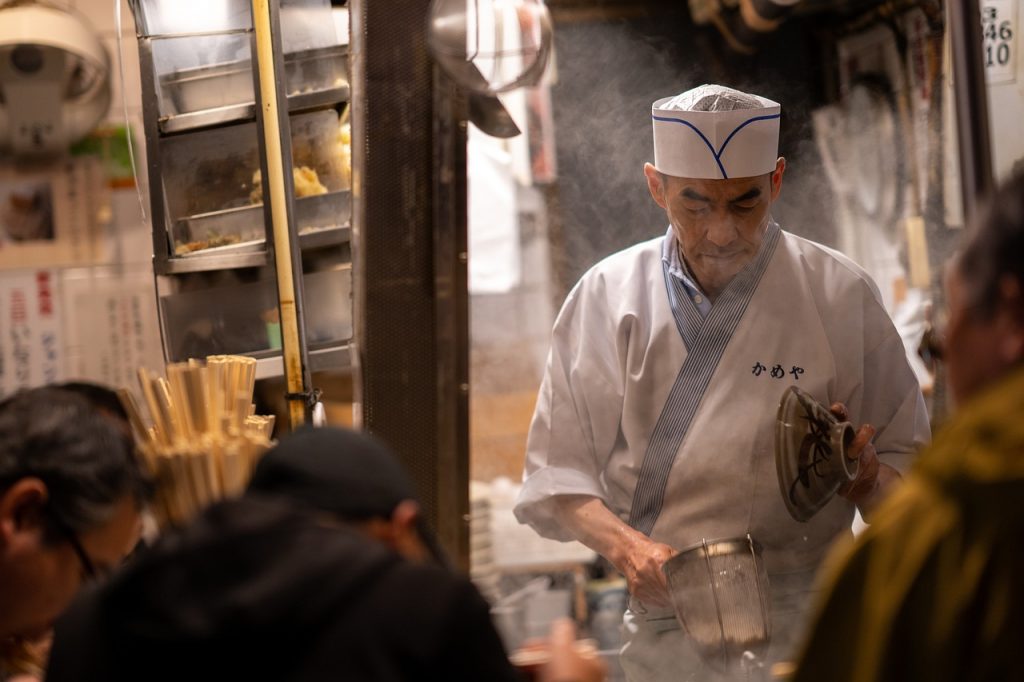
For aspiring chefs, there are two primary paths to take when pursuing their dream career – culinary school or self-taught. Both have their own unique pros and cons, so it’s important to consider both before making a decision on which route is best for you. In this article, we’ll explore the advantages and disadvantages of each path to help you decide which one is right for you.
Culinary School Pros
One of the biggest advantages of attending culinary school is that it provides an in-depth education in all aspects of cooking and food preparation. From knife skills to menu planning, students learn everything they need to know about being a successful chef. Culinary schools also offer hands-on experience in professional kitchens, allowing students to gain valuable real-world experience that can be invaluable once they enter the workforce. Additionally, many culinary schools provide job placement assistance after graduation, making it easier for graduates to find employment in the field. Another advantage of attending culinary school is that it gives students access to top-of-the-line equipment and tools such as knife rolls, chef bags and knife bags that may not be available at home or through self-study programs. This can make learning more efficient since students don’t have to worry about finding these items on their own or spending money on them out of pocket.
Culinary School Cons
The biggest disadvantage of attending culinary school is cost – tuition fees can be quite expensive depending on the program chosen by the student. Additionally, many programs require full time attendance which can make it difficult for those with other commitments such as family or work obligations to attend classes regularly without sacrificing other areas of life. Finally, some people may feel overwhelmed by the intensity and pace at which classes are taught at a traditional culinary school setting – this could lead to burnout if not managed properly by both student and teacher alike!
Self Taught Pros
One major benefit of teaching yourself how to cook is that it allows you complete control over your learning process – from choosing what recipes you want to try out first all the way down deciding when (and how often) you practice new techniques! You also save money since there are no tuition fees associated with self study programs; instead just invest in quality kitchen tools like a knife roll, chef bag or knife bag as needed! Plus if you ever get stuck while trying something new then there are plenty resources online (like recipe blogs!) where experienced cooks can offer advice & guidance along your journey towards becoming an expert chef!
Self Taught Cons
On the downside however teaching yourself means taking responsibility for every aspect of your education – from sourcing ingredients & equipment right through developing good habits & mastering technique! It takes discipline & dedication but most importantly patience – as mistakes will happen along way (especially early on) so don’t expect perfection straight away! Another potential issue with self study is lack structure – without regular classes/assignments its easy become overwhelmed/distracted when tackling complex topics like baking breads/pastries etc. Lastly if ever do decide pursue career cooking then having formal qualifications from recognized institution may give edge over competition when applying jobs/internships etc.. Ultimately whether choose attend culinary school or teach yourself depends upon individual circumstances – what works one person might not suit another so always weigh up pros/cons carefully before committing either path forward! Good luck aspiring chefs 🙂